
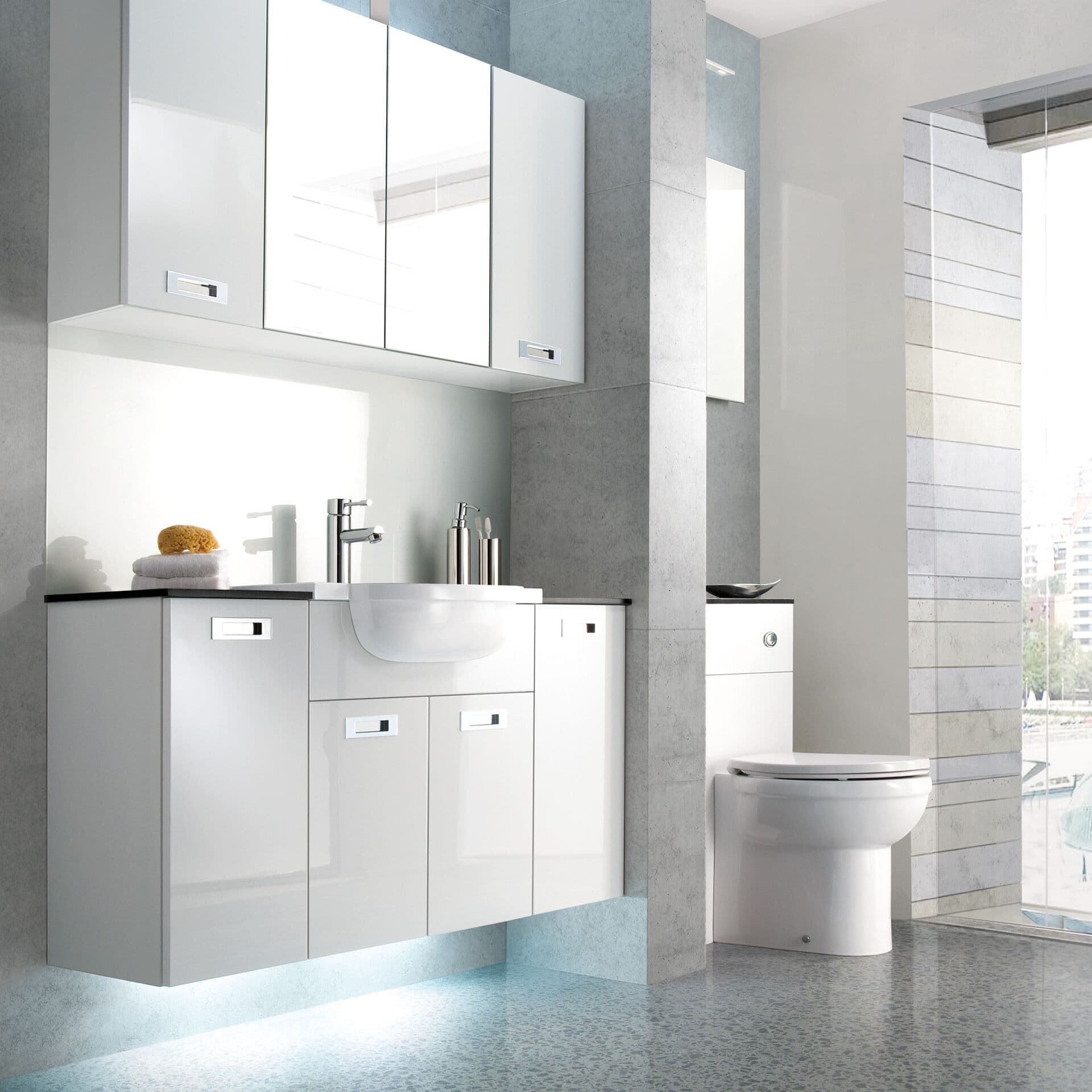
Stopping Damp and Mould Before They Start in a New Bathroom
A new bathroom with poor ventilation ends up looking tired within a year. Here's what actually needs to be in place before the room gets used.
A brand new bathroom with black mould creeping along the grout lines within twelve months is almost never a fault with the tiling or the suite. It's a ventilation problem, and it's entirely preventable if it's planned for at the design stage rather than treated as an afterthought once the room looks finished.
Extractor fans need to match the room, not just tick a box
Building regulations set a minimum extraction rate, but the minimum is often not enough for a bathroom that gets heavy daily use from a full household. Fan capacity is measured in litres per second, and a room with a large shower or bath used multiple times a day needs a higher rated fan than building control's baseline figure. This is a five minute conversation at design stage that saves a much bigger problem later.
Where the fan is positioned matters too. A fan mounted well away from the shower or bath simply won't clear the moisture at the source fast enough, even if it meets the extraction rate on paper. It needs to sit close to where the steam is actually generated.
Run-on timers make more difference than people expect
Steam doesn't disappear the moment you step out of the shower. A humidity sensing extractor, or a simple run-on timer that keeps the fan going for fifteen to twenty minutes after the light switches off, clears the residual moisture that would otherwise settle on cold surfaces like tile grout, window frames and the ceiling above the shower.
Try it on your own room
Curious how this would look in your house?
Send us a photo and we’ll email you a concept of your own room in this style. Free, no account needed.
Concept visual: your designer creates the accurate version.
Most bathroom mould problems start in the fifteen minutes after the shower is switched off, not during it.
Tanking and grout choice play their part too
Proper tanking behind tiles stops moisture reaching the plasterboard or timber underneath, but it doesn't stop condensation forming on the surface of cold tiles and grout if the room isn't ventilated well. Epoxy grout resists staining and mould growth far better than standard cement based grout in the areas that see constant moisture, and it's worth the small extra cost in a shower enclosure specifically.
Heating the room changes how it dries out
A heated towel rail does more than dry towels. It keeps background warmth in the room, which reduces the temperature difference between the air and surfaces like tiles and mirrors that condensation forms on. A cold bathroom in an older property around Rotherham or Barnsley, heated only by an occasional radiator, is far more prone to condensation than one with consistent background warmth.
Getting the ventilation plan right from the start
None of this needs to be complicated, but it does need deciding before first fix electrics, not after the room is tiled. A free home design survey looks at how the room is used, how many people rely on it daily, and specifies extraction and heating that actually matches that, rather than the bare minimum that just satisfies building control.
More From the Blog


Find Out What's Possible: It's Completely Free
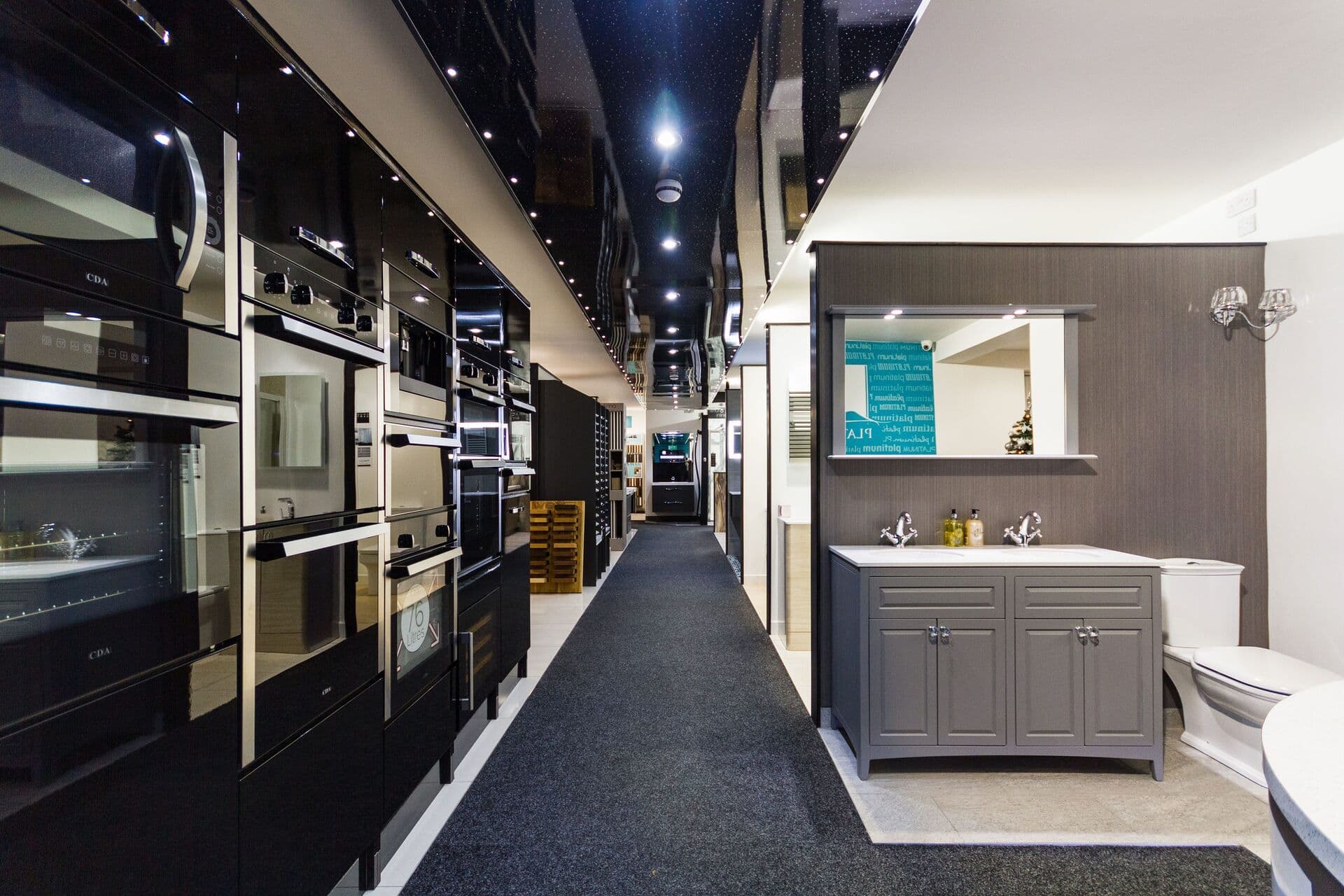
Everything starts with a visit to your home. We take precise measurements, discuss your ideas, and then create a full CAD design at our showroom: all completely free.
What's Included
- Professional room measurements
- Full CAD design at our showroom
- Detailed, itemised quotation
- Amend designs until you're 100% happy
- No pressure, no obligation
Start Here
See what we can do for your home
Choose Your Service
Kitchen, bathroom, bedroom, or multiple rooms.
Pick a Date & Time
Select from available slots that suit your schedule.
We Come to You
Our designer visits your home. Completely free, no obligation.
or call 01709 5888 22
New posts, real project photos and the odd offer, sent only when we have something worth reading.